Welcome!
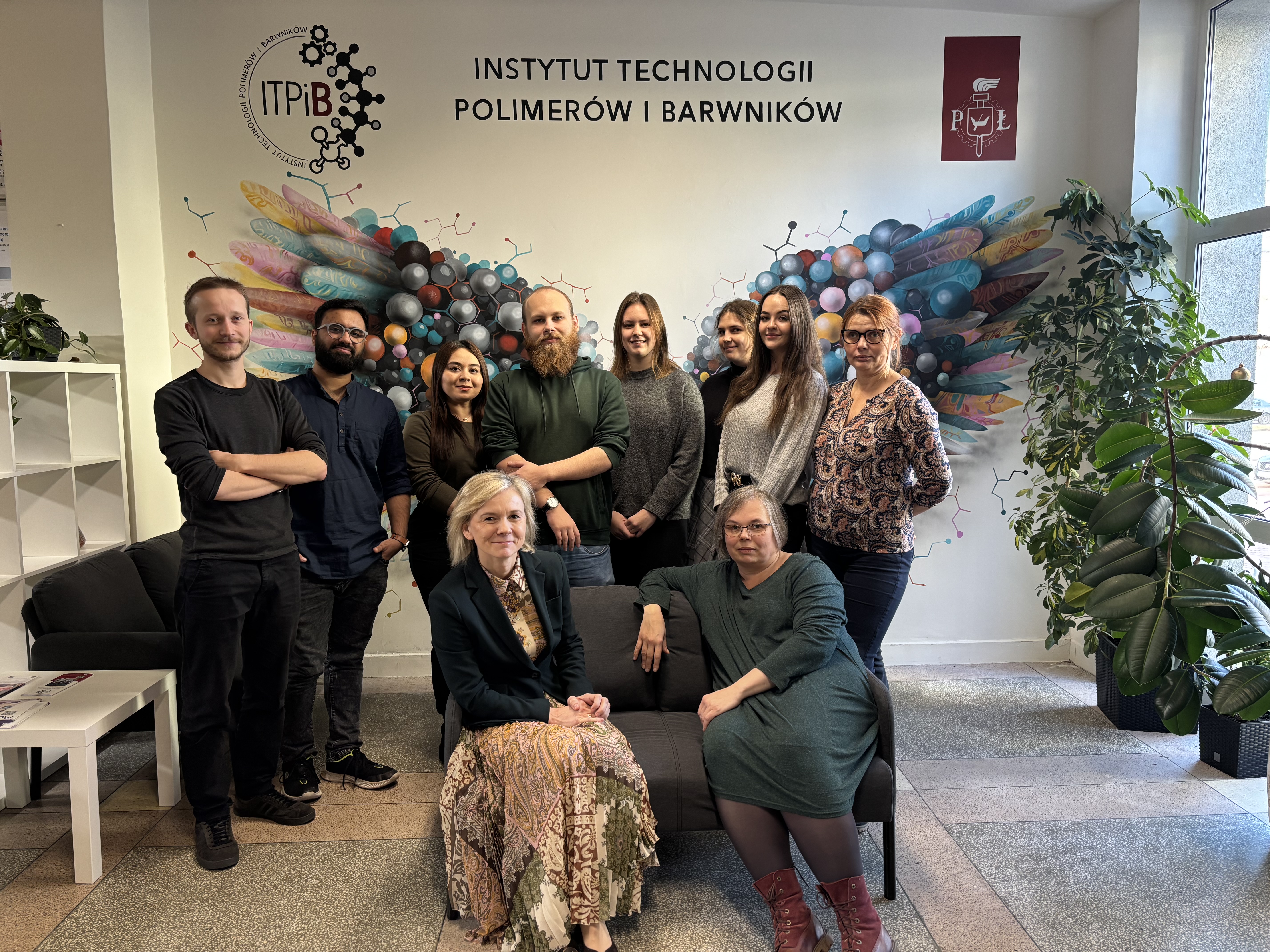
We are a polymer research group based at the Institute of Polymer and Dye Technology
at Lodz University of Technology.
Our team leader is Professor Joanna Pietrasik.
If you want to know more about PolyFun research, please scroll down the page.
While many functional polymers are based on linear backbones, growing interest has shifted toward polymers with advanced topologies and architectures, including bottlebrush, star, dendritic polymers, and polymer gels. These materials require precise control over molecular parameters such as molecular weight, dispersity, and morphology. Reversible-deactivation radical polymerization (RDRP) enables controlled growth of polymer chains, leading to well-defined structures.
1. Bottlebrushes synthesis and properties
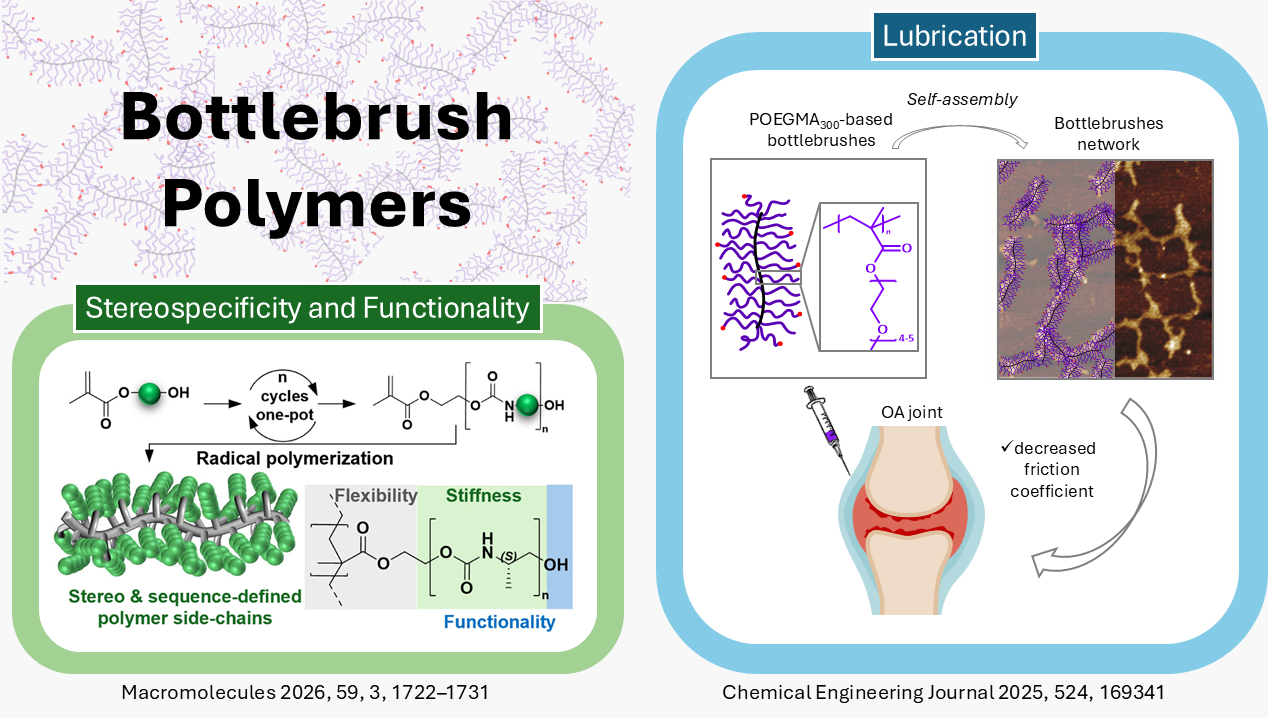
The bottlebrush architecture endows polymeric materials with unique properties compared to linear polymers. These features arise from the high density of polymeric side chains, the extended conformation of the backbone due to steric repulsion between side chains, and the reduced overall chain entanglement. Such polymers have found applications in a variety of biomedical contexts.
Our recent work focuses on the synthesis of bottlebrush polymers with enhanced lubricating properties, as well as the development of programmable materials based on side-chain-containing polymers with defined monomer sequences and controlled stereoconfiguration .
2. Photoacid-containing gels
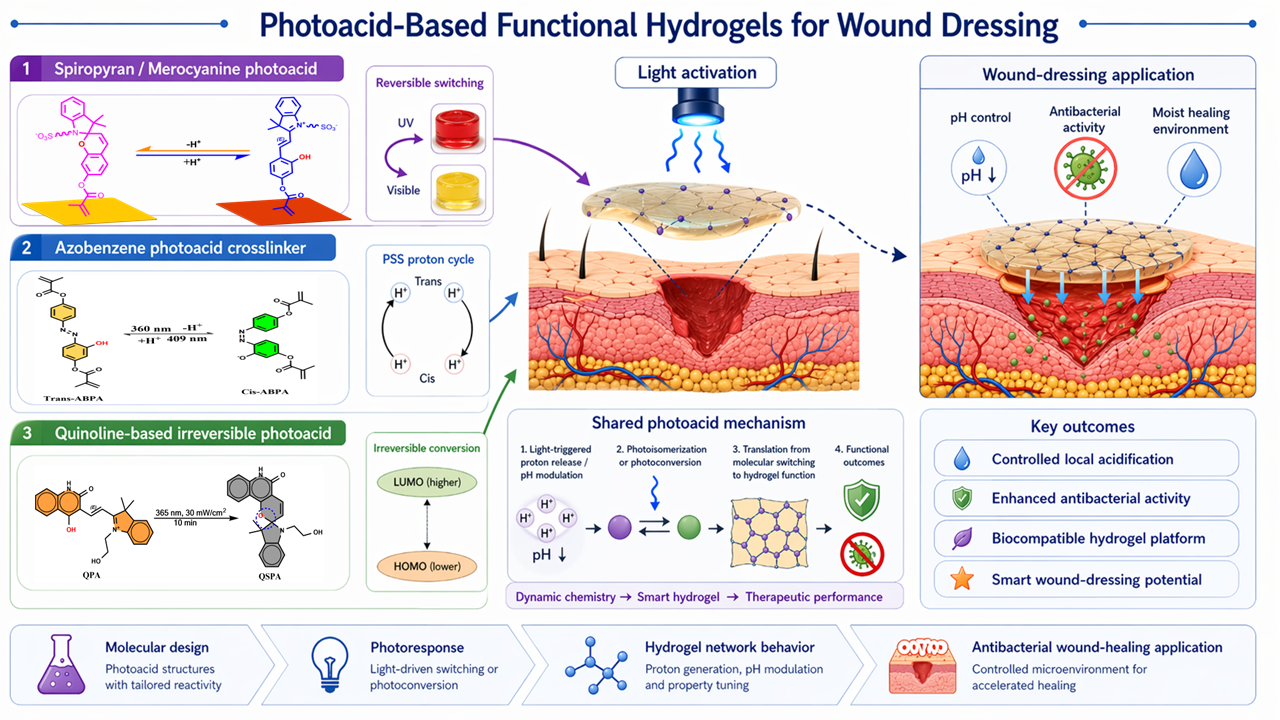
Chronic wounds, particularly those associated with diabetes or vascular insufficiency, exhibit elevated pH, excessive exudate, and microbial colonization, which impair healing. Stimuli-responsive hydrogels are promising materials due to their biocompatibility and ability to mimic the extracellular matrix while enabling dynamic functionality. Among various triggers, light offers precise, remote, and non-invasive control. Recent advances have focused on incorporating molecular photoswitches such as azobenzenes, coumarins, and spiropyrans.
3. Antibacterial materials
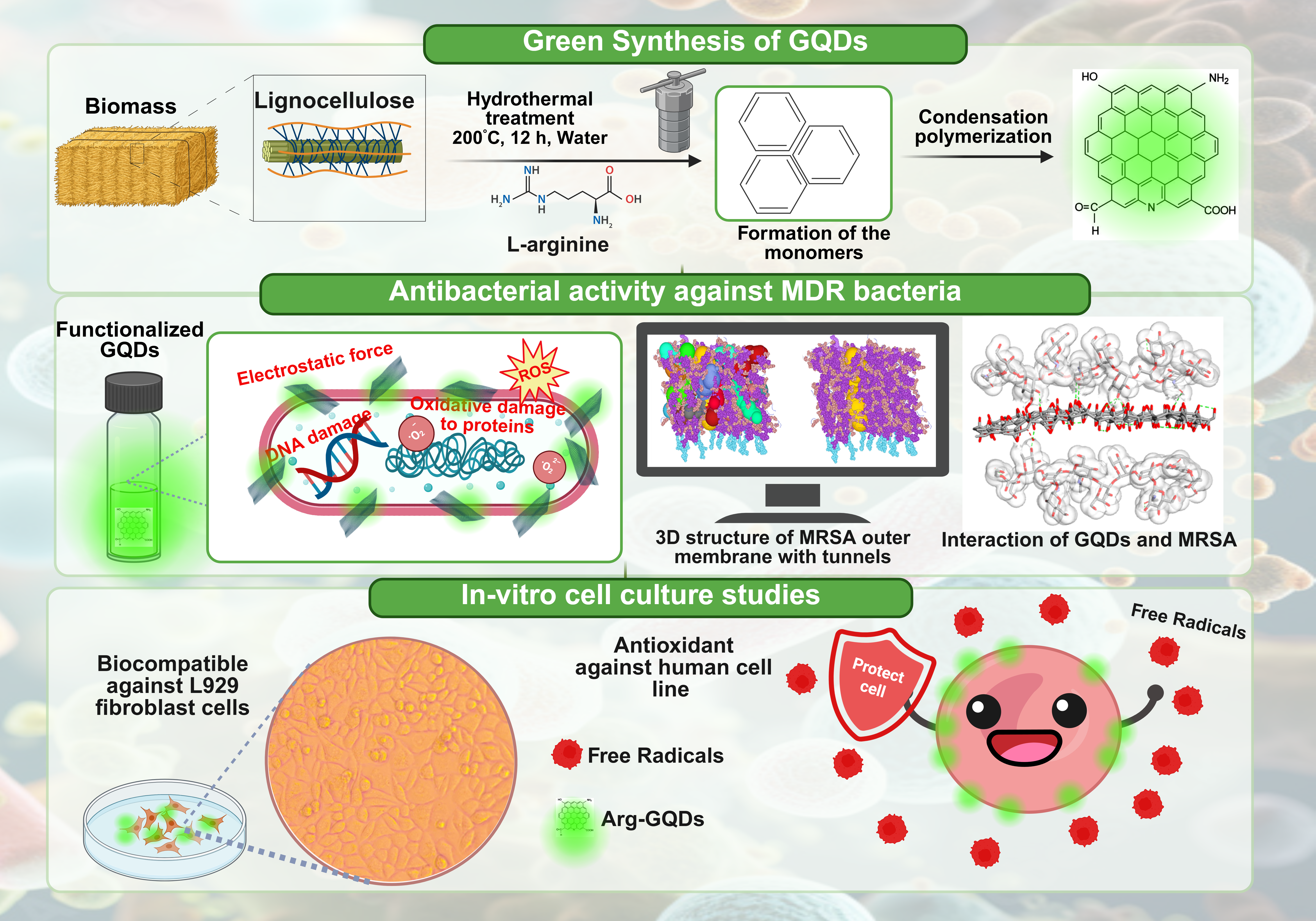
We developed a green hydrothermal approach for the synthesis of graphene quantum dots (GQDs) from wheat straw using L-arginine, enabling sustainable biomass valorization. The resulting Arg-GQDs exhibit controlled size, rich surface functionality, and high stability, making them promising candidates for biomedical applications. These nanomaterials demonstrate broad-spectrum antibacterial activity against multidrug-resistant pathogens through membrane disruption and reactive oxygen species (ROS) generation, leading to cellular damage while maintaining good biocompatibility. Complementary computational studies revealed molecular-level interactions with bacterial membranes, including those of MRSA, identifying key penetration pathways and interaction hotspots that underpin their antibacterial mechanism.
4. Interpenetrating polymer networks
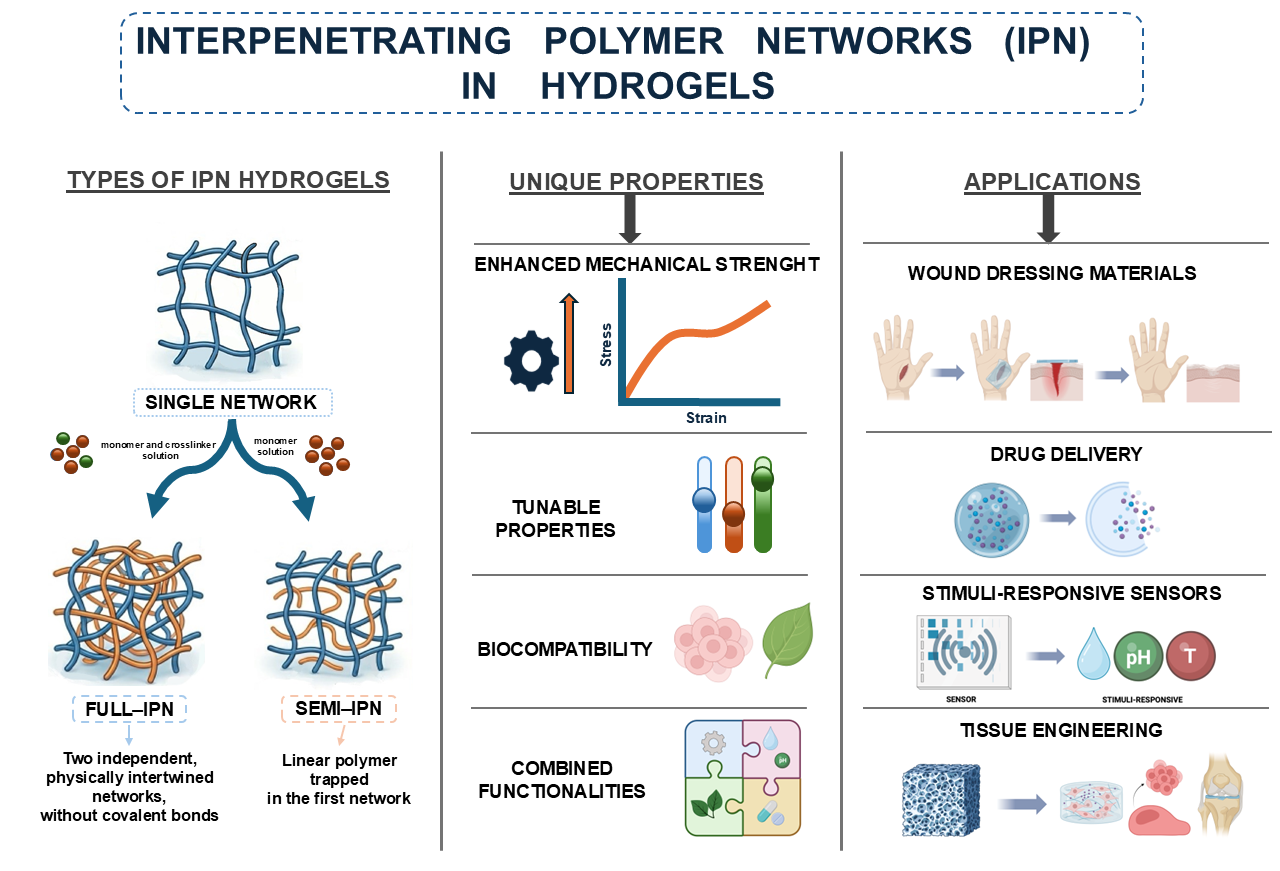
Interpenetrating polymer networks (IPNs) consist of two or more independent polymer networks that are interlaced on a molecular scale without being covalently bonded to each other. This unique architecture leads to a synergistic combination of properties, such as enhanced mechanical toughness and tunable swelling kinetics, that surpass those of the individual components. Due to their structural versatility and biocompatibility, IPN hydrogels are highly effective in advanced biomedical applications, including wound dressing materials, controlled drug delivery systems, and scaffolds for tissue engineering.
5. Polymer blends
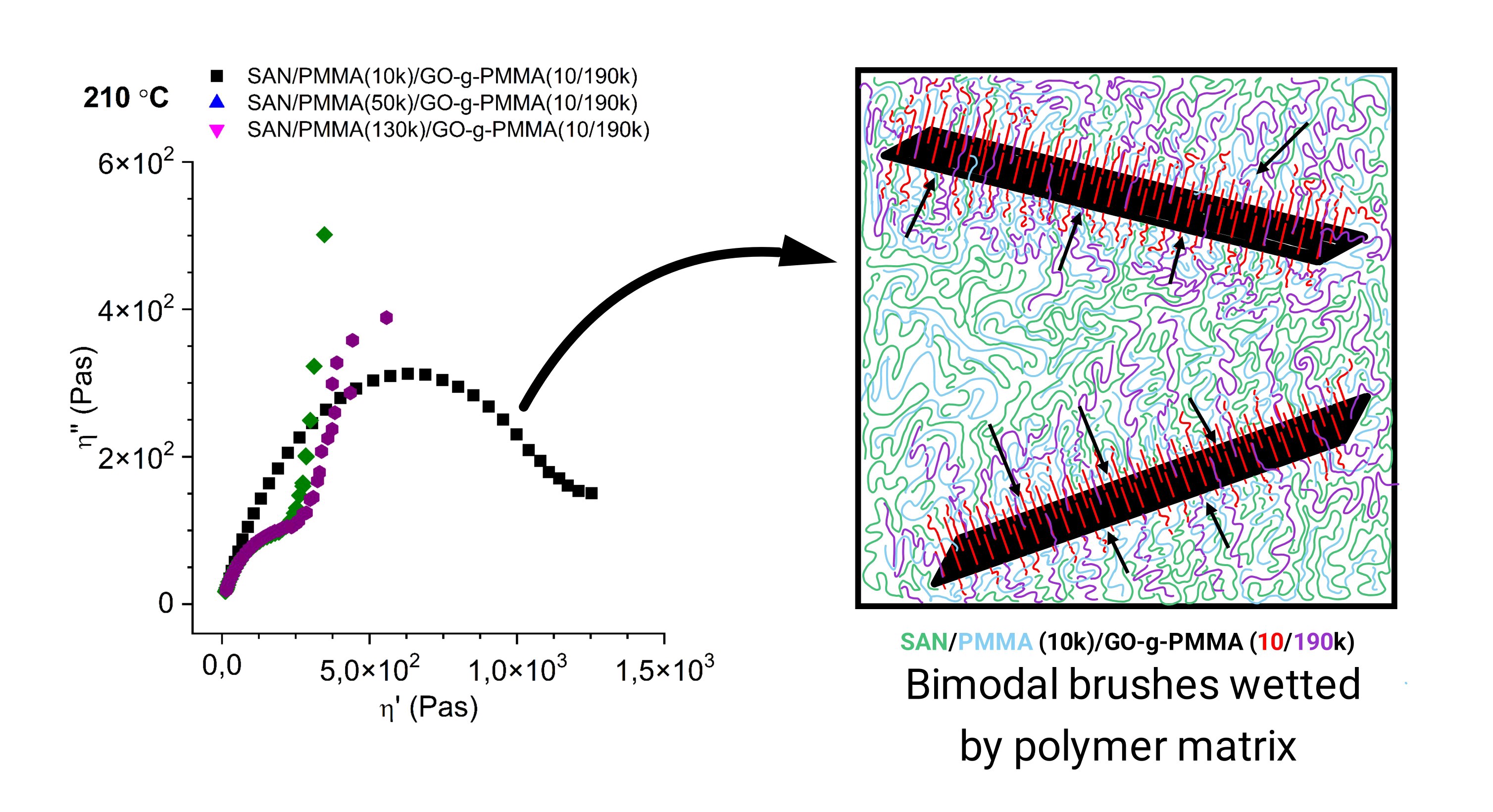
Polymer blends are an interesting class of materials because mixing two homopolymers can generate new properties compared to the individual homopolymers. However, most polymers are immiscible, which can lead to the coalescence of polymer domains, large domain size dispersion, and consequently, loss of desired properties. Nevertheless, this problem can be minimized through compatibilization strategies, e.g. by the addition of block copolymers or organic molecules. A new challenge is the use of particles grafted with polymer chains (monomodal and bimodal), which can provide additional properties depending on the nature of the particles and polymer chains attached to their surface, reducing the tendency to phase separation.
6. Rubber composites
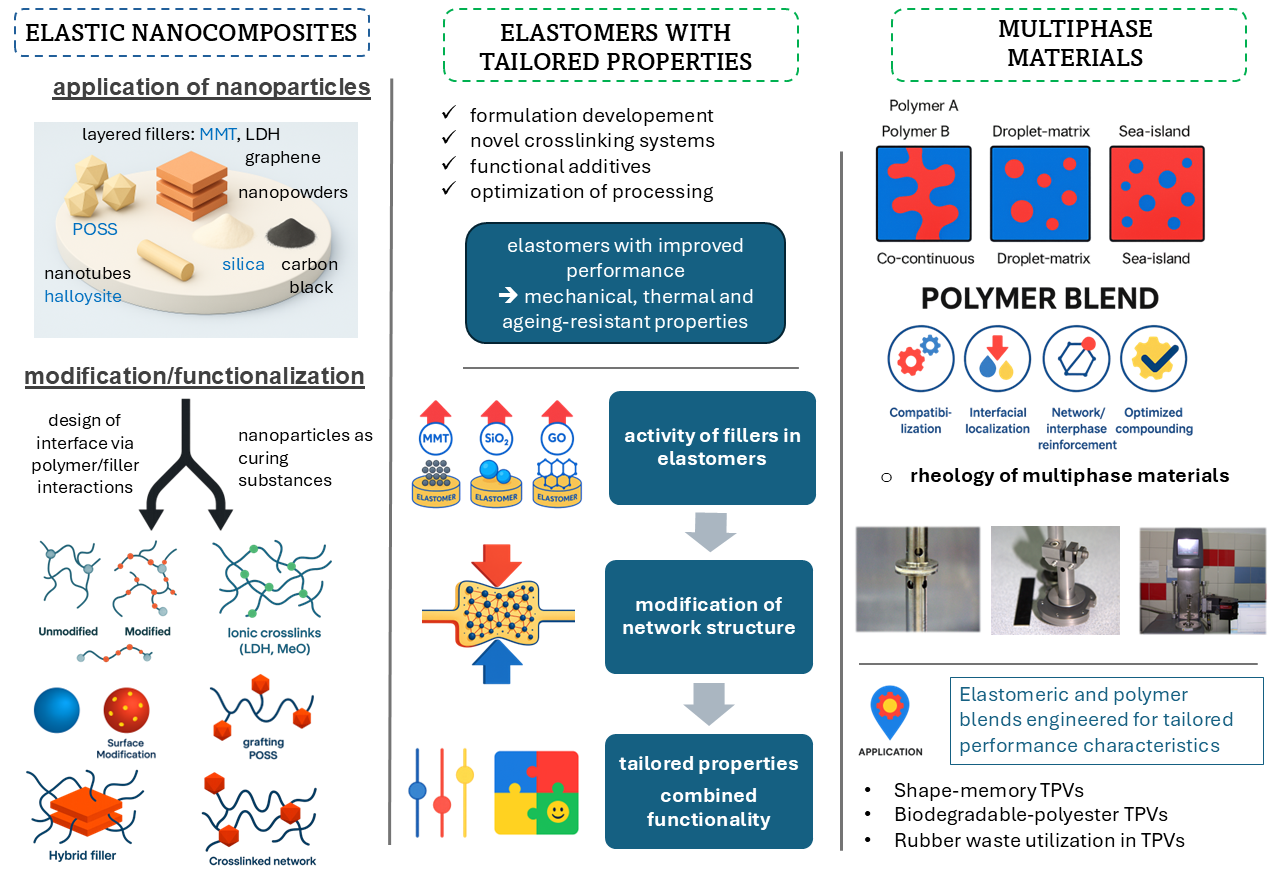
We are interested in elastic nanocomposites in which elastomers are reinforced with nanoparticles, such as layered silicates, graphene, silica, carbon black, and nanotubes, to tailor the final material properties. The design of the polymer–filler interface, achieved through filler modification and functionalization, governs interfacial interactions, network architecture, and curing behavior. These factors contribute to enhanced mechanical performance, improved thermal stability, and increased resistance to ageing. Similar design principles are applied to multiphase systems and thermoplastic vulcanizates (TPVs), including shape-memory and biodegradable materials, where rheological behavior, formulation strategies, and sustainability considerations (e.g., rubber waste utilization) play a critical role.